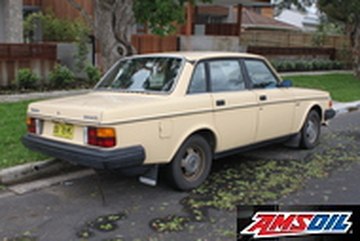
Lubrication Maintenance for the 1981 Volvo DL 2.1L
Maintaining a vehicle from the early 1980s requires a shift in perspective from modern "set and forget" maintenance to a more observant, hands-on approach. For the 1981 Volvo DL equipped with the 2.1L B21F engine, consistent attention to lubrication systems is a cornerstone of long-term mechanical health. Because older engines often rely on components that have been in service for decades, understanding how to monitor and respond to changes in fluid condition is essential for any owner.
Monitoring Fluid Integrity and Condition
Regularly checking the engine oil is about more than just ensuring the level is sufficient; it involves a qualitative assessment of the lubricant itself. When you pull the dipstick, take a moment to observe the color and texture of the fluid. While some darkening is expected as oil undergoes thermal stress and collects microscopic debris, extreme discoloration or an unusual consistency can be a signal that requires investigation.
If the oil appears excessively thick or has a gritty texture, it may indicate that the lubricant has been subjected to high heat or that service intervals have been extended too far. Furthermore, if you notice any signs of contamination—such as a milky appearance which might suggest the presence of coolant—this warrants immediate professional inspection. Observing these subtle changes allows an owner to address potential issues before they escalate into more significant mechanical concerns.
Observing Potential Warning Signs
A proactive owner looks for symptoms that deviate from the vehicle's normal operating state. While many mechanical issues can have multiple underlying causes, certain signs related to lubrication should never be ignored. For instance, if you notice any evidence of fluid seepage around the engine block or near various seals and gaskets, it is important to identify the source. Seepage is often a gradual process, but catching it early can prevent larger leaks.
Unusual mechanical noises during startup or while idling may also be associated with lubrication levels or oil quality. If the engine exhibits sounds that were not previously present, it could indicate that the lubricant is not performing its role effectively under specific operating conditions. Additionally, any changes in how the vehicle performs—such as unexpected fluctuations in temperature readings—should be investigated to ensure the entire cooling and lubrication ecosystem is functioning as intended.
Prioritizing Long-Term Engine Care
As a 1981 Volvo DL ages, maintenance priorities often shift from simple part replacement to condition-based management. Rather than following a rigid schedule based solely on the age of the vehicle, it is more effective to base your service decisions on the actual state of the mechanical components. This involves establishing a baseline by reviewing any available service history and then monitoring how the engine responds to regular maintenance.
If you are stepping into ownership without a clear record of previous repairs or fluid changes, your first priority should be to establish that baseline. This might include performing a thorough inspection of all accessible fluids and components to see what has been addressed in the past. Once a baseline is set, you can distinguish between necessary preventive maintenance and unnecessary parts replacement. For example, an aging component that shows no signs of wear or leakage may not require immediate attention, whereas an active leak should be addressed promptly to maintain system integrity.
Inspecting Aging Components and Seals
Over several decades, materials like rubber and various gasket compounds can undergo changes in their physical properties. When performing routine service on the 2.1L B21F engine, it is wise to inspect accessible hoses and belts, if equipped, for signs of deterioration such as cracking, glazing, or fraying. While these components are not always directly related to the oiling system, their condition is a vital part of the overall engine environment.
Regarding the lubrication system specifically, inspecting gaskets and seals for signs of age-related seepage is a practical habit. Because older engines may have different sealing characteristics than modern counterparts, looking for "wet" areas around the engine casing can provide early warning of a seal that is beginning to lose its effectiveness. This type of visual inspection is a low-effort, high-reward way to stay ahead of potential maintenance needs.
The Role of Clean Lubricant in Engine Longevity
Engine oil performs several vital roles that are critical to the continued operation of the 2.1L engine. Beyond simple lubrication, the fluid acts as a medium for heat management, helping to carry thermal energy away from high-friction areas. It also serves as a cleaning agent, suspended particles and microscopic debris within the fluid so they can be captured by the oil filter.
Maintaining the cleanliness of this fluid is essential for preventing the buildup of deposits. When oil breaks down due to age or extreme heat, it can lose its ability to protect surfaces effectively. By ensuring that fresh lubricant is used according to the application-specific information provided on this page, you help maintain the engine's internal environment and support its long-term operational stability.
Practical Guidance for Buying Engine Oil for your 1981 Volvo DL 2.1L
When it is time to replenish your engine oil, the most important step is to match the lubricant to the specific requirements of your vehicle. Rather than relying on general automotive trends or assumptions based on the age of the car, you should always refer to the application-specific viscosity and oil type information already displayed on this webpage.
As you shop for products, keep these practical tips in mind:
- Verify the Label: Always check the product packaging to ensure the SAE viscosity matches what is listed in your vehicle's application data.
- Consider Formulations: Depending on your engine's current condition and your driving habits, you may choose between conventional, synthetic blend, or full synthetic oils. Some high-mileage formulations also include seal-conditioning additives which may be useful for aging engines.
- Check Certifications: Look for appropriate API (American Petroleum Institute) service classifications on the bottle to ensure the oil meets modern quality standards for lubrication and deposit control.
- Avoid Guesswork: Do not assume that a specific grade is better simply because it is marketed for "winter" or "summer"; always prioritize the viscosity information provided in your vehicle's technical documentation.